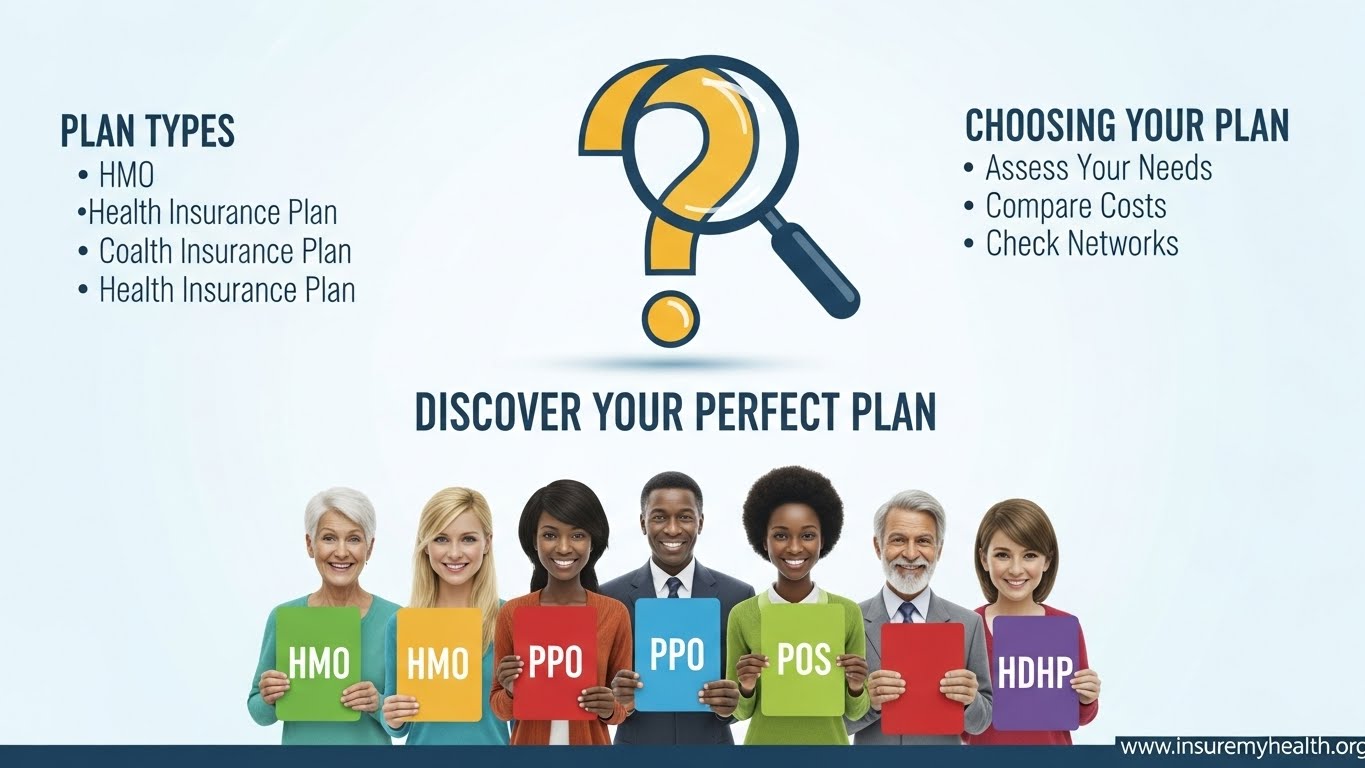
Navigating the world of health insurance can be daunting, especially with the myriad of options available. Understanding the different types of health insurance plans is crucial for making informed decisions that best suit your healthcare needs and financial situation. In this article, we will explore the various types of health insurance plans, their features, and how to choose the right one for you.
1. Employer-Sponsored Health Insurance
What is it?
Employer-sponsored health insurance is a type of coverage provided by an employer to its employees as part of their benefits package. This is one of the most common ways individuals obtain health insurance in the United States.
Features
- Cost-Effective: Employers often cover a significant portion of the premium, making it more affordable for employees.
- Group Coverage: This type of insurance typically covers a group of people, which can lead to lower rates due to shared risk.
- Variety of Plans: Employers may offer multiple plan options, including HMOs, PPOs, and high-deductible plans.
Pros and Cons
Pros:
- Lower premiums compared to individual plans.
- Guaranteed coverage regardless of health status.
- Additional benefits, such as dental and vision coverage.
Cons:
- Limited choice of providers, depending on the plan.
- Loss of coverage if you leave the job.
ALSO READ>> Understanding Health Insurance: A Complete Beginner’s Guide for 2024
2. Individual Health Insurance
What is it?
Individual health insurance plans are purchased directly by individuals from insurance companies. These plans are ideal for those who are self-employed, unemployed, or whose employers do not offer health insurance.
Features
- Customizable: Individuals can choose plans that fit their specific health needs and budget.
- Wide Range of Options: There are various types of individual plans, including HMOs, PPOs, and EPOs.
- Portability: Coverage remains with the individual regardless of employment status.
Pros and Cons
Pros:
- Greater flexibility in choosing providers and coverage options.
- No employer restrictions on plan selection.
Cons:
- Generally higher premiums compared to employer-sponsored plans.
- May require a medical exam or health history review.
3. Government-Sponsored Health Insurance
What is it?
Government-sponsored health insurance includes programs funded by the government to provide coverage for specific populations. The most notable examples are Medicare and Medicaid.
Features
- Medicare: A federal program primarily for individuals aged 65 and older, as well as certain younger individuals with disabilities.
- Medicaid: A state and federal program that provides health coverage to low-income individuals and families.
Pros and Cons
Pros:
- Affordable or no-cost coverage for eligible individuals.
- Comprehensive benefits, including hospital care, preventive services, and prescription drugs.
Cons:
- Eligibility requirements can be strict.
- Limited provider networks in some areas.
4. Health Maintenance Organization (HMO)
What is it?
An HMO is a type of managed care plan that requires members to choose a primary care physician (PCP) and get referrals from that PCP to see specialists.
Features
- Cost-Effective: Generally lower premiums and out-of-pocket costs.
- Preventive Care Focus: Emphasizes preventive services and routine check-ups.
Pros and Cons
Pros:
- Lower costs for services and medications.
- Coordinated care through a primary care physician.
Cons:
- Limited choice of healthcare providers.
- Requires referrals for specialist care.
RELATED TOPIC>> 10 Natural Ways to Boost Your Immune System for Better Health
5. Preferred Provider Organization (PPO)
What is it?
A PPO is a type of health insurance plan that offers more flexibility in choosing healthcare providers. Members can see any doctor or specialist without a referral.
Features
- Network of Providers: PPOs have a network of preferred providers but allow members to see out-of-network providers at a higher cost.
- No Primary Care Physician Requirement: Members do not need to select a PCP.
Pros and Cons
Pros:
- Greater flexibility in choosing healthcare providers.
- No referrals needed for specialist visits.
Cons:
- Higher premiums compared to HMO plans.
- Higher out-of-pocket costs for out-of-network care.
6. Exclusive Provider Organization (EPO)
What is it?
An EPO is similar to a PPO but with a more restricted network of providers. Members must use the EPO’s network for coverage, except in emergencies.
Features
- Lower Premiums: Generally lower premiums than PPOs.
- No Referrals Needed: Members can see specialists without a referral, as long as they stay within the network.
Pros and Cons
Pros:
- Lower costs for in-network care.
- Flexibility to see specialists without referrals.
Cons:
- No coverage for out-of-network care, except in emergencies.
- Limited choice of providers compared to PPOs.
7. High-Deductible Health Plans (HDHP)
What is it?
High-deductible health plans are designed to have lower premiums and higher deductibles. They are often paired with Health Savings Accounts (HSAs) that allow members to save money tax-free for medical expenses.
Features
- Lower Premiums: HDHPs typically have lower monthly premiums.
- Health Savings Account: Members can contribute to an HSA to pay for qualified medical expenses.
Pros and Cons
Pros:
- Lower monthly costs and potential tax benefits from HSAs.
- Encourages members to be more cost-conscious about their healthcare.
Cons:
- Higher out-of-pocket costs before insurance kicks in.
- May not be suitable for individuals with frequent medical needs.
8. Catastrophic Health Insurance
What is it?
Catastrophic health insurance is a type of plan designed to provide coverage for worst-case scenarios, such as serious accidents or illnesses. It typically has low premiums and high deductibles.
Features
- Limited Coverage: Covers essential health benefits after the deductible is met.
- Affordable Premiums: Lower monthly costs make it appealing for young and healthy individuals.
Pros and Cons
Pros:
- Affordable for young and healthy individuals who want to protect against major medical expenses.
- Provides essential health benefits after the deductible is met.
Cons:
- High out-of-pocket costs before coverage kicks in.
- Not suitable for those who require regular medical care.
Conclusion
Choosing the right health insurance plan is a critical decision that can significantly impact your healthcare experience and financial well-being. By understanding the different types of health insurance plans available, you can make an informed choice that aligns with your needs and budget.
When selecting a plan, consider factors such as your health status, preferred providers, and financial situation. Whether you opt for employer-sponsored insurance, individual coverage, or government programs, the key is to find a plan that provides the coverage you need at a price you can afford.
By understanding the various types of health insurance plans, you can navigate the complexities of health coverage with confidence. Take the time to research and compare options to ensure you choose the best plan for your unique situation.