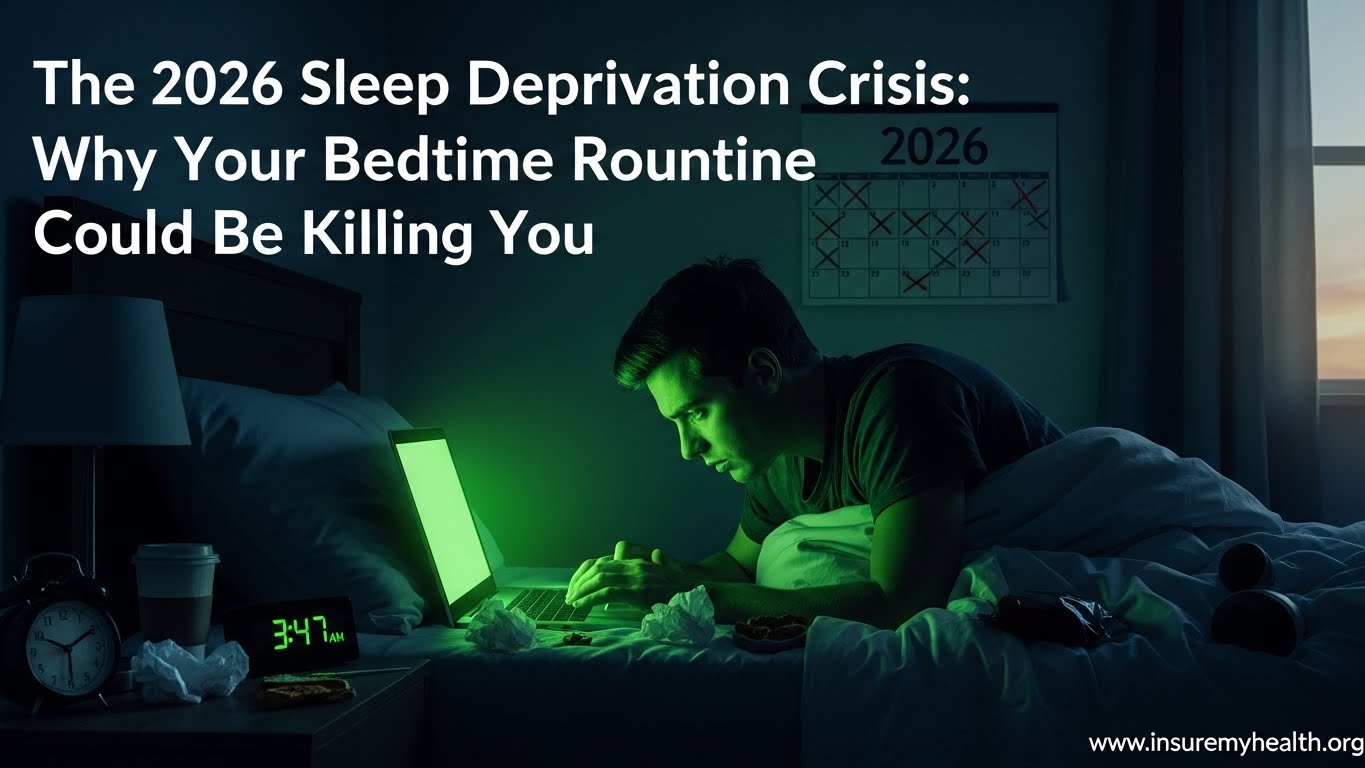
Sleep is no longer just a nightly necessity—it’s a critical pillar of health. Yet in 2026, sleep deprivation has reached epidemic levels. Studies show that millions of adults, particularly young professionals and students, are chronically under-sleeping, putting themselves at risk for serious health consequences.
Despite awareness campaigns, modern lifestyles and technology are sabotaging sleep, and the results are alarming: increased risk of heart disease, diabetes, obesity, mental health issues, and early mortality.
This article exposes the hidden dangers of poor sleep, why doctors often underestimate its impact, and what you can do to protect yourself.
ALSO READ : Artificial Sweeteners and Your Gut: The Silent Metabolic Saboteurs
The Scope of the Sleep Deprivation Epidemic
- Roughly 1 in 3 adults sleep less than 6 hours per night.
- Millennials and Gen Z report the highest levels of chronic sleep deprivation.
- Blue-light exposure from devices, work pressure, and social obligations contribute to sleep loss.
Experts now call sleep deprivation a modern public health crisis. Unlike obvious dangers like smoking, its effects are often silent, cumulative, and underestimated.
Why Sleep Matters for Your Health
Sleep is not just rest; it is an active process of restoration and regulation:
- Cognitive Function – Sleep consolidates memory, enhances learning, and improves decision-making.
- Immune Function – Adequate sleep strengthens immune responses, reducing infection risk.
- Metabolism – Sleep regulates hormones like insulin and leptin, influencing appetite, weight, and blood sugar.
- Cardiovascular Health – Poor sleep is linked to hypertension, heart attacks, and stroke.
- Mental Health – Chronic sleep deprivation increases the risk of anxiety, depression, and burnout.
Even small, chronic deficits accumulate, silently damaging your body over months and years.
RELATED POST>>> The Hidden Dangers of Popular ‘Immune Boosters’ in 2026
Modern Lifestyle Factors Fueling Sleep Deprivation
1. Technology and Blue Light
- Smartphones, tablets, and laptops emit blue light that suppresses melatonin, the hormone that signals sleep.
- Nighttime scrolling delays sleep onset and reduces sleep quality.
2. Work Pressure and Burnout
- Many young professionals work long hours or have irregular schedules.
- High stress increases cortisol, making it harder to fall asleep and stay asleep.
3. Social Media and Digital Overload
- Late-night engagement with social platforms overstimulates the brain.
- Fear of missing out (FOMO) encourages staying awake longer.
4. Poor Sleep Environment
- Noisy, bright, or uncomfortable bedrooms reduce sleep efficiency.
- Irregular sleep schedules further disrupt circadian rhythms.
The Health Consequences of Chronic Sleep Loss
1. Heart Disease
- Sleep deprivation increases blood pressure, inflammation, and arterial stiffness.
- Risk of heart attack and stroke rises significantly in those consistently sleeping <6 hours.
2. Obesity and Diabetes
- Lack of sleep alters insulin sensitivity and appetite hormones.
- Studies link chronic sleep loss to higher BMI and increased risk of type 2 diabetes.
3. Mental Health Disorders
- Anxiety, depression, and irritability are closely tied to sleep deficits.
- Cognitive impairment, poor concentration, and memory loss reduce productivity and quality of life.
4. Premature Aging
- Poor sleep accelerates cellular aging, skin damage, and hair loss.
- Chronic stress combined with sleep deprivation compounds long-term damage.
Sleep Myths That Can Harm You
- “I can catch up on sleep over the weekend” – Recovery sleep cannot fully reverse chronic sleep debt.
- “I function fine on 5 hours” – Cognitive and metabolic deficits occur even without obvious fatigue.
- “Alcohol helps me sleep” – Alcohol disrupts REM sleep and reduces restorative sleep quality.
- “Watching TV in bed is relaxing” – Screen time suppresses melatonin and delays sleep onset.
Believing these myths can silently increase your risk for chronic diseases.
The Controversy: Why Sleep Is Underestimated in Medicine
Many doctors focus on diet, exercise, and medications for chronic conditions but neglect sleep as a preventive tool:
- Appointments are short, leaving little time for lifestyle counseling.
- Sleep quality is harder to quantify than blood pressure or cholesterol.
- Many patients underestimate its importance or normalize chronic fatigue.
Yet research shows sleep is as critical as diet and exercise for long-term health.
ALSO READ: Hypertension Isn’t Genetic—The Real Cause Your Doctor Will Never Tell You
MORE: The Heart Disease Myth Exposed: Why ‘Good Cholesterol’ Isn’t Saving Lives Anymore
Strategies to Restore Healthy Sleep
1. Optimize Your Sleep Environment
- Keep the bedroom cool, dark, and quiet
- Invest in a quality mattress and pillows
- Limit noise with earplugs or white noise machines
2. Establish a Consistent Sleep Schedule
- Go to bed and wake up at the same time daily, even on weekends
- Reinforces circadian rhythms and improves sleep quality
3. Reduce Blue Light Exposure
- Avoid screens 1–2 hours before bedtime
- Use night mode or blue light filters if unavoidable
4. Mind Your Diet and Stimulants
- Avoid caffeine and heavy meals close to bedtime
- Alcohol may make you drowsy but disrupts restorative sleep
5. Stress Management
- Meditation, breathing exercises, journaling, or yoga can lower cortisol and ease sleep onset
6. Consider Short Naps Wisely
- Limit naps to 20–30 minutes to avoid disrupting nighttime sleep
Why This Matters in 2026
The combination of work pressure, technology, and social expectations makes sleep deprivation a modern epidemic.
Ignoring it is not harmless — it silently increases risk for chronic diseases, accelerates aging, and impairs mental health.
Taking proactive steps to improve sleep can dramatically enhance long-term wellbeing, yet many continue to underestimate its importance.
Key Takeaways
- Sleep deprivation is a silent epidemic, especially among young adults.
- Chronic lack of sleep contributes to heart disease, diabetes, obesity, and mental health issues.
- Technology, stress, and poor habits are major culprits.
- Simple lifestyle changes can restore healthy sleep and protect your body.
- Sleep should be treated as a critical pillar of health, not a luxury.