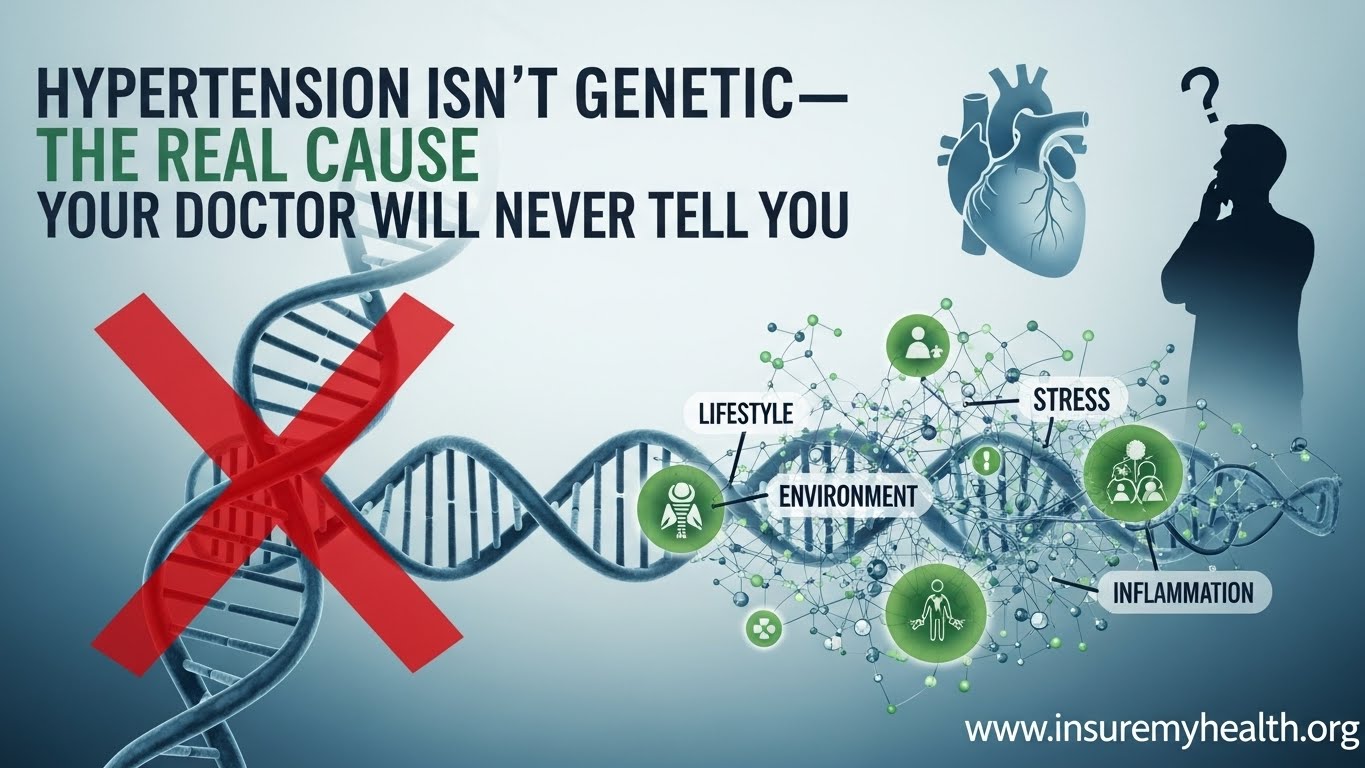
For decades, high blood pressure, or hypertension, has been blamed on genetics. People are told, “It runs in your family, so there’s nothing you can do.”
In 2026, new research is shaking this belief. Evidence increasingly shows that while genes play a role, environmental and lifestyle factors are the real culprits behind hypertension, and ignoring them can cost you your health.
This article exposes what doctors rarely discuss openly and explains how modern living is silently pushing blood pressure higher for millions.
ALSO READ>> Why Doctors Are Wrong: The Shocking Truth About ‘Normal’ Blood Sugar in 2026
The Genetics Myth
Most doctors emphasize family history when diagnosing high blood pressure.
Statements like “If your parents had it, you’re destined to have it” are common.
But studies show:
- Only 20-30% of hypertension cases can be directly linked to genetics
- Over 70% are influenced by diet, lifestyle, stress, and environmental factors
- Many people with a family history never develop high blood pressure
- Conversely, people with “clean” family histories are now showing high readings at younger ages
The truth is clear: genes may influence susceptibility, but modern lifestyle triggers are doing most of the damage.
Hidden Lifestyle Triggers Driving Hypertension in 2026
Hypertension is often called the “silent killer” because symptoms may not appear until major damage occurs. Understanding the real causes is critical.
1. Chronic Stress
- Work pressure
- Financial worries
- Social stressors
- Emotional trauma
Constant stress triggers cortisol and adrenaline release, which raises blood pressure over time. People rarely associate day-to-day stress with hypertension, but it is one of the strongest drivers.
2. Hidden Sodium in Foods
- Packaged meals
- Fast food
- Sauces and condiments
- Canned goods
- Bread and processed grains
Even if you avoid adding salt, hidden sodium keeps blood pressure elevated. Many patients follow “low salt” advice but remain hypertensive because processed foods contain far more than expected.
3. Sugar and Refined Carbohydrates
- Sugary drinks
- White bread
- Pastries
- Rice and noodles
High sugar intake contributes to insulin resistance, weight gain, and endothelial dysfunction—all of which raise blood pressure.
4. Sedentary Lifestyle
Physical inactivity reduces heart efficiency, weakens blood vessels, and increases obesity risk—a key hypertension trigger.
5. Sleep Deprivation
- Less than 6-7 hours of sleep per night
- Poor sleep quality
- Sleep apnea
Sleep loss directly elevates blood pressure, sometimes permanently.
6. Environmental Toxins
- Air pollution
- Heavy metals
- Pesticides
- Household chemicals
Emerging research links long-term toxin exposure to chronic hypertension.
7. Alcohol and Stimulants
Even moderate alcohol and caffeine can elevate blood pressure over time. Many people underestimate cumulative effects, especially when combined with other lifestyle factors.
RELATED POST>> The Hidden Food Conspiracy Raising Your A1C—And Why No One Is Talking About It
Why Doctors Rarely Tell You This
Many patients are told hypertension is mostly genetic, leaving them feeling powerless. Several reasons for this lack of disclosure include:
- Medical Convenience: It’s easier to prescribe medication than counsel lifestyle changes.
- Time Constraints: Lifestyle counseling takes 30-60 minutes per patient.
- Insurance Reimbursement: Doctors are paid for procedures and prescriptions, not counseling.
- Patient Compliance Concerns: Changing diet, sleep, and stress habits is difficult; many patients fail to follow instructions.
The result is millions taking medications without addressing root causes—blood pressure remains elevated, and health risks persist.
The Modern Hypertension Epidemic
Recent statistics from 2025–2026 show:
- Nearly 1 in 3 adults globally has high blood pressure
- 40% of people with hypertension are unaware
- Cases in people under 40 are rising sharply
- Obesity, stress, and processed foods are main drivers
The epidemic is largely preventable, yet awareness is low. This is why hypertension is no longer just a medical issue; it’s a societal problem.
Controversial Truth: Medication Alone Isn’t the Answer
While antihypertensive drugs lower numbers, they do not eliminate the cause.
Relying solely on medication without lifestyle changes can lead to:
- Permanent organ damage
- Increased risk of heart attack and stroke
- Continued vascular inflammation
Medication is necessary for many patients, but treating only symptoms without addressing triggers is incomplete care.
Lifestyle Interventions That Really Work
If hypertension is mostly lifestyle-driven, the solution lies in concrete habits. Evidence-based interventions include:
Diet Adjustments
- DASH diet or Mediterranean diet
- Reduce processed foods
- Avoid hidden sugars
- Eat potassium-rich foods (bananas, spinach, avocados)
- Increase fiber intake
Physical Activity
- At least 150 minutes of moderate-intensity exercise per week
- Strength training twice weekly
- Simple activities like walking, stair climbing, or cycling
Stress Management
- Mindfulness meditation
- Breathing exercises
- Yoga or tai chi
- Journaling and therapy
Sleep Optimization
- 7–9 hours nightly
- Consistent sleep schedule
- Sleep apnea evaluation if necessary
Limit Toxins
- Reduce alcohol consumption
- Avoid excessive caffeine
- Minimize exposure to pollutants and chemicals
Weight Management
- Target BMI under 25
- Abdominal fat reduction is critical
TRENDING NOW>>> 10 Natural Ways to Boost Your Immune System for Better Health
Early Detection: The Key to Prevention
Even mild hypertension can cause organ damage. Regular monitoring is essential:
- Home blood pressure checks
- Routine screenings with your healthcare provider
- Tracking lifestyle changes and blood pressure response
Advanced technologies like wearable monitors make it easier to detect trends early.
The Future of Hypertension Management
Experts predict that by 2030, untreated lifestyle-driven hypertension could become the leading cause of preventable deaths worldwide.
However, awareness campaigns and technology-assisted monitoring may change the trajectory if implemented correctly.
Key Takeaways
- Hypertension is not primarily genetic; lifestyle and environment drive most cases.
- Hidden triggers like stress, processed foods, sugar, and sleep deprivation elevate blood pressure.
- Doctors often rely on medication without addressing root causes.
- Early detection and lifestyle modifications are critical to long-term health.
- A proactive approach empowers individuals to prevent serious complications before they occur.
Understanding the real causes of hypertension gives you control over your health. Ignoring the truth leaves you at risk—regardless of your family history.