
Diabetes has reached epidemic proportions in 2026. Millions are diagnosed every year, and rates among young adults are rising.
Most patients are told to “eat less sugar” and “exercise more.” While this advice is not wrong, it is incomplete and misleading. The real culprit behind rising blood sugar and diabetes risk is far more insidious: processed foods engineered to spike glucose and insulin.
This article exposes how the modern food industry is silently contributing to diabetes and why many doctors fail to warn patients.
RELATED POST: Doctors Warn: The New Silent Heart Attack Hitting Young Adults in 2026
Why Processed Foods Are a Hidden Threat
Processed foods dominate modern diets. They are convenient, cheap, and heavily marketed as “healthy” options.
But many of these products are engineered to manipulate blood sugar:
- Refined grains digest rapidly, producing glucose spikes
- Hidden sugars appear under dozens of names: maltodextrin, dextrose, fructose, syrup, and more
- Low-fat versions often replace fat with starches and sweeteners, which elevate blood sugar faster than full-fat alternatives
Even foods labeled “whole-grain,” “low sugar,” or “natural” can significantly raise blood sugar and contribute to diabetes risk.
The Science Behind Blood Sugar Spikes
Every time you eat a high-glycemic food, your blood glucose rises.
- Insulin is released to bring glucose down
- Chronic glucose spikes lead to insulin resistance
- Over time, insulin resistance raises A1C and increases diabetes risk
Processed foods accelerate this process:
- Breakfast cereals, granola bars, instant oats
- Sweetened yogurts and flavored milk
- White bread, pasta, and packaged snacks
- Fruit juices and energy drinks
The result is a silent, cumulative attack on your metabolic system, often unnoticed until prediabetes or diabetes develops.
ALSO READ>>> Hypertension Isn’t Genetic—The Real Cause Your Doctor Will Never Tell You
Why Doctors Often Miss the Connection
Medical advice often focuses on obvious sugar intake: candies, soda, and desserts.
However, the majority of glucose-spiking foods in modern diets are hidden or disguised as healthy.
Reasons doctors may not fully address this:
- Time Constraints: Detailed dietary counseling is rarely possible in standard appointments.
- Education Gaps: Many doctors receive minimal training on nutrition and processed foods.
- Patient Perception: Patients trust “healthy” labels and are unlikely to question them.
- Systemic Bias: Healthcare systems focus on medication and disease management, not prevention.
As a result, many patients develop diabetes despite following general advice.
The Controversial Role of “Healthy” Processed Foods
Processed foods are often marketed as safe or beneficial:
- Low-fat yogurts
- Whole-grain breads and crackers
- Protein bars and cereals
- Smoothies and fruit snacks
The controversy: these foods are engineered to maximize taste and shelf life, not health.
- Removing fat often adds sugar or starch, causing faster blood sugar spikes
- Marketing claims mislead consumers into believing these foods are safe
- Chronic consumption elevates insulin, promotes weight gain, and increases diabetes risk
Millions unknowingly consume these hidden glucose accelerators daily.
Why Blood Sugar Spikes Matter Beyond Diabetes
Frequent glucose spikes do more than raise A1C:
- Damage blood vessels, increasing risk of heart disease and stroke
- Promote systemic inflammation, contributing to chronic diseases
- Encourage fat storage, especially visceral fat
- Increase appetite, creating a cycle of overconsumption
Even small, repeated spikes can silently degrade metabolic health over years.
The Modern Diet and Prediabetes Epidemic
Prediabetes is now affecting an estimated 1 in 3 adults in 2026. Many are unaware of their condition until routine blood tests reveal elevated fasting glucose or A1C.
Modern diets accelerate progression:
- Sugar and refined carbs are ubiquitous
- Hidden sweeteners in processed foods create continuous glucose stress
- Portion sizes have increased dramatically
- Meals are often consumed quickly, further elevating glucose
The result: early onset of insulin resistance, obesity, and type 2 diabetes.
Steps to Protect Your Blood Sugar
Preventing diabetes requires more than reducing obvious sugar. Focus on blood sugar stability:
1. Avoid Processed and Packaged Foods
- Choose whole, minimally processed options
- Read labels carefully for hidden sugars
- Prioritize natural, fiber-rich foods
2. Focus on Low-Glycemic Foods
- Legumes, vegetables, whole fruits with fiber
- Brown rice, quinoa, and oats (preferably minimally processed)
- Lean proteins and healthy fats
3. Pair Carbs With Protein or Fat
- Slows glucose absorption
- Reduces post-meal spikes
4. Regular Physical Activity
- Improves insulin sensitivity
- Helps regulate blood sugar
- Combats visceral fat accumulation
5. Monitor Blood Sugar
- Consider using home glucometers or continuous glucose monitors
- Track how foods affect glucose levels
- Adjust diet and lifestyle accordingly
6. Manage Stress
- Chronic stress elevates cortisol, raising blood sugar
- Mindfulness, meditation, and breathing exercises help
7. Prioritize Sleep
- 7–9 hours of quality sleep improves insulin sensitivity and metabolic health
TRENDING NOW >>> 10 Natural Ways to Boost Your Immune System for Better Health
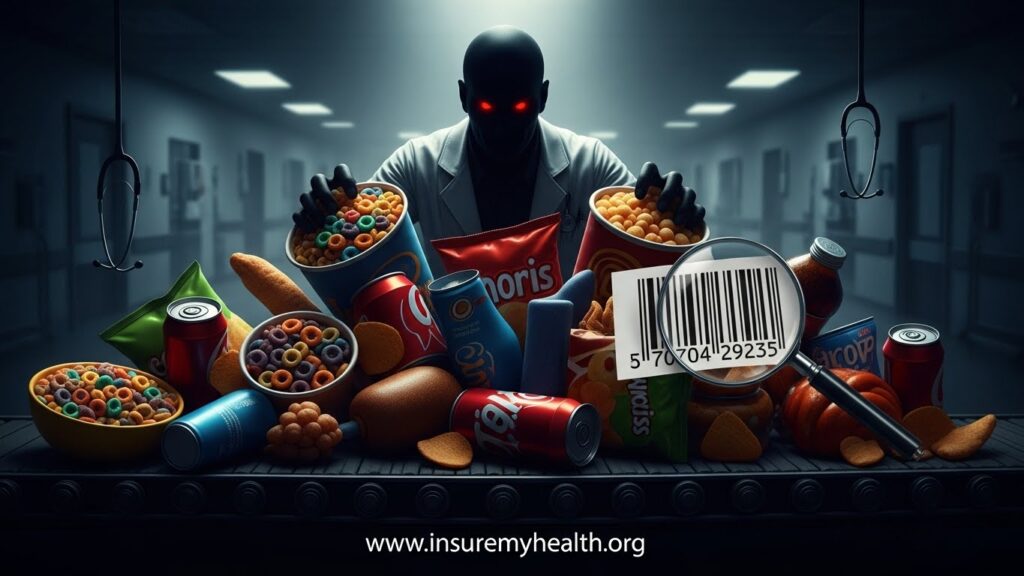
The Controversy: Food Industry vs. Public Health
Processed foods are profitable, and the industry has little incentive to warn consumers about metabolic risks.
- “Healthy” labels are marketing tools, not health guarantees
- Many foods marketed for children contain hidden sugars and starches
- The general public is misled into thinking moderation alone is enough
This silent manipulation contributes to the diabetes epidemic and prevents early lifestyle intervention.
Key Takeaways
- Diabetes is driven not just by sugar but by processed foods engineered to spike blood sugar.
- Hidden sugars, refined carbs, and low-fat replacements accelerate insulin resistance.
- Doctors often focus on overt sugar intake, leaving patients exposed to hidden risks.
- Preventing diabetes requires a holistic approach: diet, exercise, sleep, stress management, and monitoring.
- Awareness of processed food risks is essential in 2026—and ignoring them can silently damage your metabolic health.
RELATED POST>> Why Health Insurance is Essential for Everyone