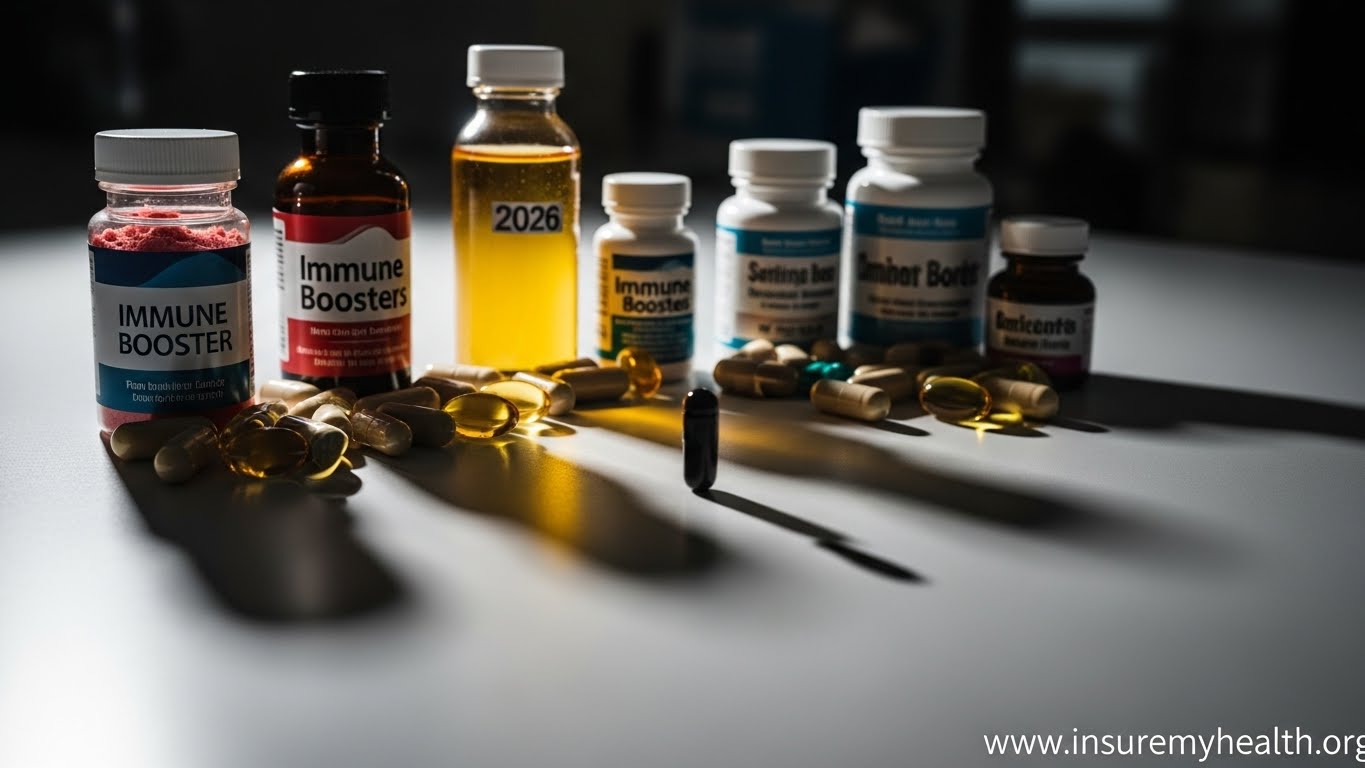
In 2026, the global obsession with “immune boosters” has reached unprecedented heights. From vitamin-packed smoothies to trendy herbal supplements and exotic powders, the market promises to keep you healthy, prevent illness, and even fight off viruses.
But here’s the uncomfortable truth: most immune boosters are oversold, misunderstood, and sometimes even harmful. Millions of people spend hundreds of dollars annually on products that may do little more than give you a placebo effect.
This article dives into the hidden dangers of popular immune boosters, why your doctor may not warn you, and what truly supports a healthy immune system.
ALSO READ>> The 2026 High Blood Pressure Cover-Up: Why Traditional Treatment Is Failing Millions
The Immune System Myth
The idea that a single pill, powder, or drink can dramatically “boost” your immune system is appealing. Marketing campaigns capitalize on fear and uncertainty, especially in post-pandemic times.
But the immune system is not a single switch you can flip on demand. It’s a complex network of cells, organs, and signaling molecules, constantly balancing between attacking pathogens and tolerating harmless substances. Overstimulating it or relying on supplements can disrupt this delicate balance.
Popular Immune Boosters and Their Controversies
1. Vitamin C
- Often advertised as a miracle for colds or viral prevention.
- Research shows it can slightly reduce the duration of colds but does not prevent infection in healthy adults.
- Excessive intake may cause kidney stones, digestive upset, and diarrhea.
2. Zinc
- Zinc is essential for immune function, but most people already get enough from their diet.
- High doses can lead to nausea, headaches, and copper deficiency.
- The “zinc lozenge for colds” hype is only partially supported by studies, mainly if taken immediately after symptom onset.
3. Elderberry and Herbal Teas
- Elderberry has antioxidant properties, but claims that it prevents flu or boosts immunity are largely unsupported by large-scale clinical trials.
- Herbal teas marketed as “immune boosters” may interact with medications or cause allergies.
4. Probiotics
- Probiotics are touted as gut and immune enhancers.
- While some strains can support gut health, effects are strain-specific and not universal.
- Overuse may lead to bloating, gas, and, in rare cases, infections in immunocompromised individuals.
5. Exotic Powders and Superfoods
- Products like spirulina, chlorella, or mushroom extracts promise extraordinary immune benefits.
- Scientific evidence is limited; some products may be contaminated or mislabeled.
- High costs and misleading marketing often make them more hype than health.
RELATED POSTS:
The Heart Disease Myth Exposed: Why ‘Good Cholesterol’ Isn’t Saving Lives Anymore
Why Doctors May Not Warn You
Many patients assume doctors will caution them about supplement risks. In reality:
- Time Constraints: Short appointments leave little room for detailed nutrition counseling.
- Education Gaps: Many medical schools provide limited training on supplements and their risks.
- Patient Compliance: Patients rarely disclose all supplements they take, making doctors hesitant to intervene.
- Profit Incentives: The supplement industry is massive, and healthcare systems are more focused on treating illness than prevention.
The Risk of Overconsumption
Taking multiple immune boosters simultaneously can lead to overlapping risks:
- Fat-soluble vitamins (A, D, E, and K) can accumulate and become toxic.
- Mineral overload (zinc, iron) can disrupt metabolic processes.
- Herbal interactions may affect liver or kidney function.
Even products marketed as “natural” are not automatically safe. In 2026, we see an alarming trend of unregulated immune boosters causing side effects, especially among young adults chasing wellness trends.
TRENDING POST>>> Doctors Warn: The New Silent Heart Attack Hitting Young Adults in 2026
What Truly Strengthens Your Immune System
Instead of relying on expensive supplements, evidence shows these strategies are far more effective:
1. Balanced Diet
- Emphasize whole foods: vegetables, fruits, whole grains, lean proteins, and healthy fats.
- Micronutrients like vitamins C and D, zinc, and selenium are better obtained naturally.
- Avoid excess sugar and ultra-processed foods that impair immune function.
2. Regular Exercise
- Moderate physical activity enhances immune surveillance and reduces inflammation.
- Overtraining, however, can suppress immunity.
3. Quality Sleep
- 7–9 hours per night restores immune cells and signaling molecules.
- Chronic sleep deprivation is strongly linked to higher infection risk.
4. Stress Management
- Chronic stress suppresses immune function.
- Mindfulness, meditation, yoga, and deep breathing can help maintain immune balance.
5. Hygiene and Vaccination
- Vaccines remain the most effective preventive tool against infectious diseases.
- Handwashing, safe food practices, and avoiding exposure to sick individuals also protect your immune system.
Controversy: The Multi-Billion-Dollar Immune Industry
The immune supplement market was valued at over $30 billion in 2025, and projections show continued growth.
- Companies market products with claims that are technically true but misleading.
- “Supports immunity” does not mean “prevents illness”—yet marketing often implies this.
- Consumers are encouraged to spend on multiple products rather than focusing on evidence-based lifestyle changes.
How to Choose Safe Supplements (If Needed)
If you decide to use supplements:
- Choose products from reputable companies with third-party testing.
- Avoid megadoses unless prescribed for deficiency.
- Track your intake to prevent overlapping nutrients.
- Discuss with a healthcare professional, especially if taking medications.
Remember: supplements cannot replace diet, sleep, exercise, or stress management.
A MUST READ>>>The Heart Disease Myth Exposed: Why ‘Good Cholesterol’ Isn’t Saving Lives Anymore
The Bottom Line
Immune boosters are not magic bullets. Most supplements provide limited benefits, and overuse can cause harm.
In 2026, the safest, most effective way to strengthen your immunity is
- Eat nutrient-rich foods
- Exercise regularly
- Sleep consistently
- Manage stress
- Follow preventive healthcare practices like vaccination
By understanding the hype, you protect your health, save money, and avoid unnecessary side effects.
Your immune system is complex, but it doesn’t need to be bought—it needs to be cared for.