🚨 “Why Car Insurance Is a Scam… Until the Day It Saves Your Life”
Car insurance is one of those unavoidable adult expenses everyone complains about but few fully understand. Depending on where you live, you either legally must buy it, or you end up paying for it voluntarily because the idea of a single accident wiping out your savings is terrifying. Yet, year after year, drivers feel frustrated by rising premiums, fine print, denied claims, hidden fees, and complicated terms that seem designed to confuse the average person.
This leads to a controversial yet common opinion:
“Car insurance is a scam.”
But here’s the twist—the same system people hate is also the only financial shield that can prevent bankruptcy after a crash. Car insurance may feel unfair, expensive, and inconsistent, but when disaster strikes, it becomes the one thing standing between you and a financial nightmare.
In this article, we’re going to break down why car insurance feels broken, what you can do to avoid being overcharged, how insurers actually calculate your rates, and which types of coverage genuinely protect you (and which ones you can skip).
Let’s dive into the truth most insurers prefer you never learn.
ALSO READ>> Why Health Insurance is Essential for Everyone
Why Does Car Insurance Feel Like a Scam?
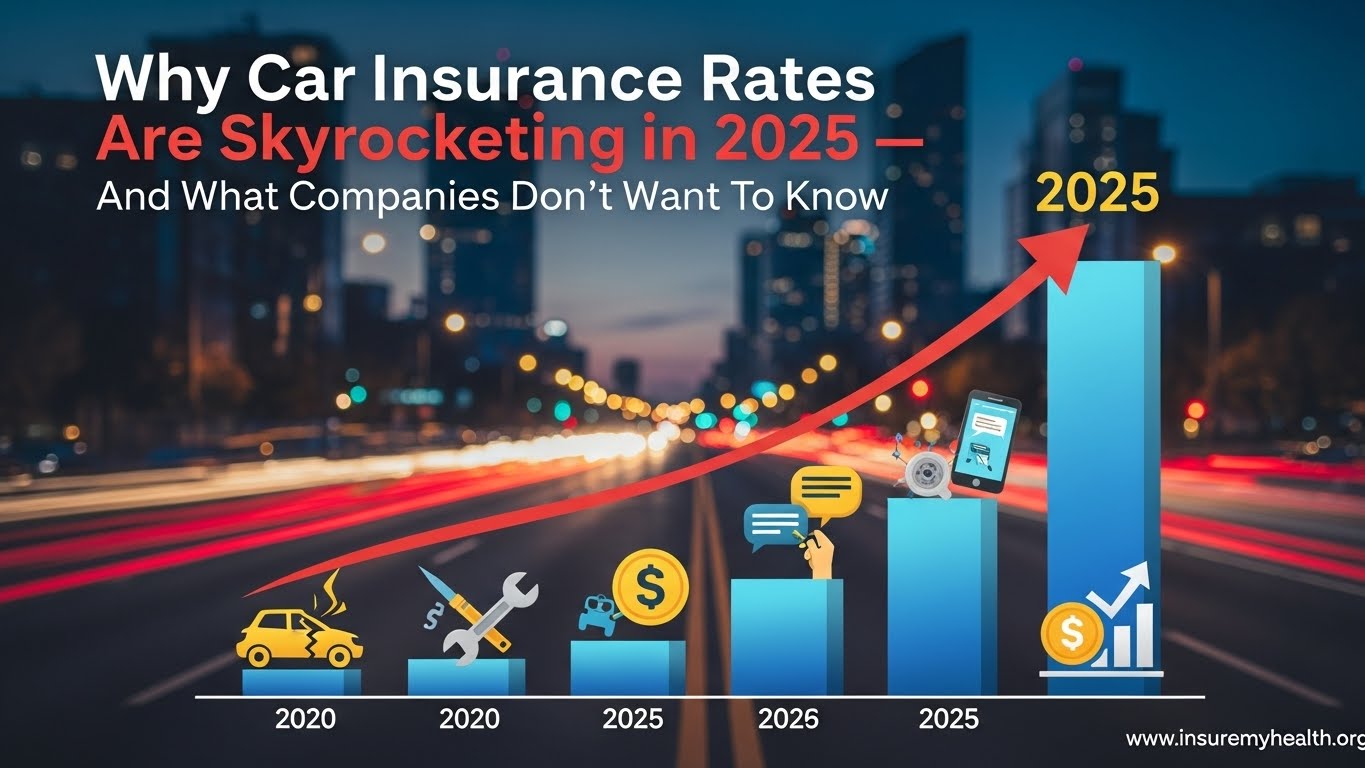
1. Premiums Rise Even When You Don’t File Claims
One of the biggest frustrations for drivers is the sudden jump in premiums even after years of spotless driving. This happens due to factors unrelated to your personal behavior, such as:
- Higher accident rates in your region
- Inflation in repair costs
- Rise in medical expenses
- Increased frequency of fraud in your area
It feels personal, but it’s not—insurers adjust prices based on risk pools, not individuals.
2. The Fine Print Is Intentionally Confusing
Insurance documents often contain:
- Legal jargon
- Exceptions
- Conditional coverage
- Situations where coverage is limited
This creates a perception of dishonesty because policyholders feel misled when claims are denied.
3. Insurers Profit From Risk, Not Claims
Insurance companies are businesses. Their revenue comes from:
- Your monthly premiums
- Investment of collected premiums
- Charging more for higher-risk individuals
Paying claims reduces profit. That alone leads many to assume insurers don’t want to pay out—and in some cases, it’s true.
4. You Pay for Other People’s Bad Driving
Even if you never get into an accident, your premium can still rise because other drivers in your demographic filed claims.
You’re judged by:
- Age
- Location
- Car model
- Gender (in some countries)
- Driving history
This shared-risk model is mathematically logical but emotionally frustrating.
RELATED TOPIC>> Demystifying Common Health Insurance Terms
But Here’s the Reality: One Accident Can Destroy Your Finances
While it’s easy to criticize the insurance system, the alternative is terrifying. A single accident can lead to:
- $1,500–$10,000 in vehicle repairs
- $20,000–$100,000+ in medical bills
- $15,000+ in legal fees if you’re sued
- Total loss replacement costs for other vehicles
Without insurance, one moment of bad luck can cause:
- Bank account drain
- Lawsuits
- Wage garnishment
- Asset seizure
- Long-term debt
Insurance feels like a scam—until the day it saves your life financially.
Types of Car Insurance You Actually Need
1. Liability Insurance (Mandatory in Most Places)
This covers:
- Injuries to others
- Damage to other vehicles
- Property damage
If you cause an accident, liability keeps you out of financial ruin.
2. Collision Coverage
This pays for repairs to your own vehicle after a collision—regardless of fault.
3. Comprehensive Coverage
Protects you from non-collision damage:
- Theft
- Fire
- Natural disasters
- Falling objects
- Vandalism
- Animals hitting your car
4. Uninsured/Underinsured Motorist Coverage
Essential if you live in areas with many drivers who have no insurance or minimal coverage.
5. Personal Injury Protection (PIP)
Covers:
- Your medical bills
- Lost wages
- Rehabilitation
Regardless of who caused the accident.
Insurance You Can Skip (If You’re Being Smart)
❌ Rental Car Reimbursement
Unless you travel constantly or rely heavily on your car, this is optional.
❌ Roadside Assistance
Often cheaper through AAA or your car manufacturer.
❌ Gap Insurance
Only useful for new, financed cars with rapidly depreciating value.
TRENDING POST >> 10 Daily Habits That Can Dramatically Improve Your Health in 2025
How Insurance Companies Actually Calculate Your Premium
Here’s the real formula—insurers won’t explain this so clearly:
1. Your Driving Record
Accidents, speeding tickets, and DUIs increase your risk profile.
2. Your Location
Urban areas = more accidents
Rural areas = fewer claims
3. Your Vehicle
Cars with high repair costs or high theft rates increase premiums.
4. Age & Experience
Young and elderly drivers pay more due to higher accident statistics.
5. Annual Mileage
More time on the road = more risk.
6. Credit Score (in many countries)
Lower credit score = higher premium.
How to Lower Your Car Insurance Legally (and Dramatically)
1. Increase Your Deductible
Higher deductible → lower monthly premium.
2. Bundle Policies
Combine car + house + life = discounts.
3. Install Anti-Theft Devices
Many insurers offer 5–10% reductions.
4. Maintain a Clean Driving Record
Avoid speeding—some insurers track your driving with telematics and reward safe habits.
5. Compare Quotes Annually
Never stay loyal to one insurer.
Rates change constantly.
6. Ask for Hidden Discounts
Examples:
- Good student
- Military
- Defensive driving course
- Employer/association discount
The Biggest Secret: “Loyalty Penalties” Are Real
Many insurers raised rates specifically on long-term customers who never shop around. They assume you won’t switch.
You should never stay with one carrier for more than 12 months without comparing prices.
When Car Insurance Becomes Your Financial Lifeline
The horror stories are real:
- A man sued for $300,000 after a minor accident
- Families bankrupted by uninsured drivers
- Vehicles written off due to storms—fully paid by comprehensive coverage
- Hit-and-run accidents fully covered under UM/UIM
Car insurance may feel like a scam 95% of the time.
but it becomes a financial miracle the 5% of the time you desperately need it.
WHAT YOU MUST KNOW>> Health Insurance Options for Families: What You Need to Know
Conclusion
Car insurance sits in a weird space between frustration and necessity. Yes—premiums feel unfair. Yes—insurers sometimes hide behind fine print. And yes—the system isn’t designed with transparency in mind.
But the truth is simple:
Car insurance only looks like a scam until the day it saves your financial life.
By understanding how it works, choosing coverage wisely, and avoiding overpriced add-ons, you can turn insurance from a burden into a powerful safety net that actually protects your future.