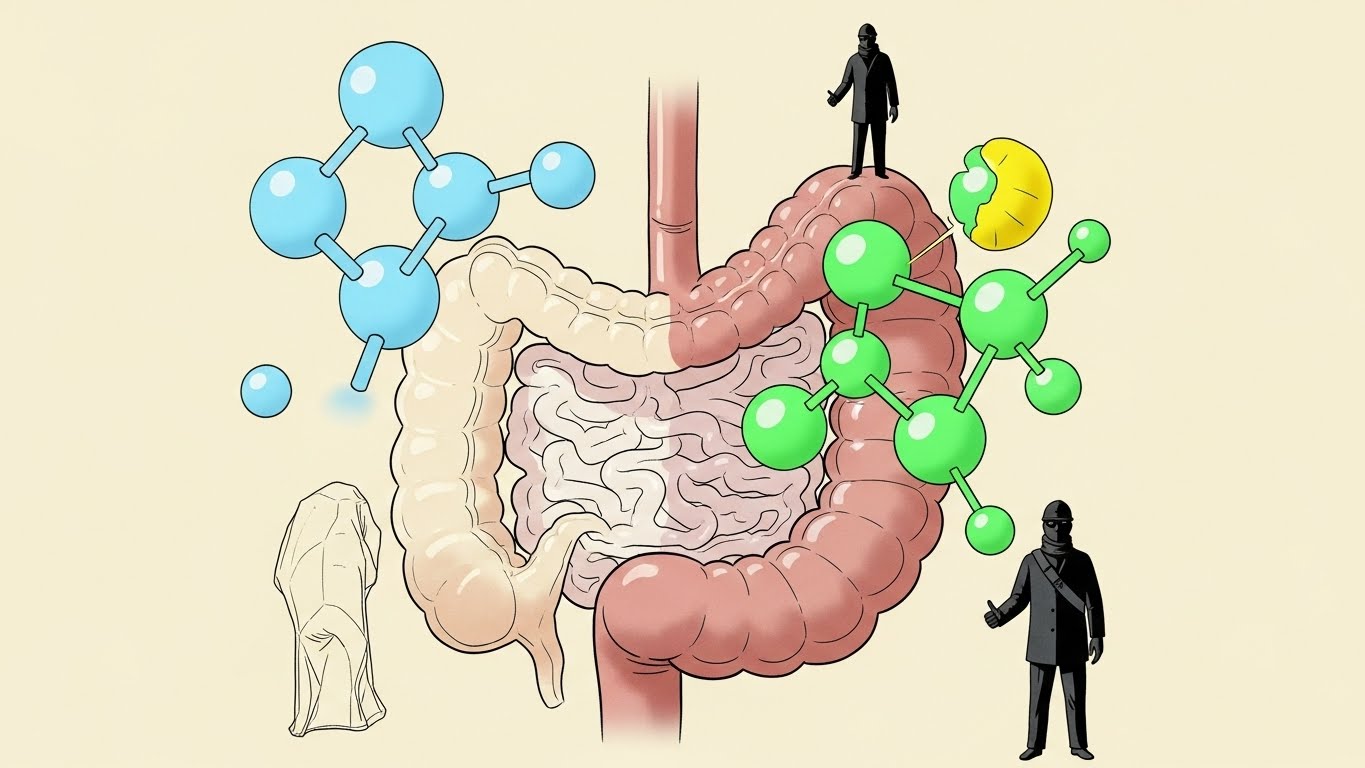
Artificial sweeteners are everywhere in 2026. From diet sodas and sugar-free gum to protein bars and “low-calorie” yogurts, these products promise sweet taste without the calories. On the surface, they seem harmless—even beneficial for weight management and diabetes prevention.
But emerging research reveals a darker story: artificial sweeteners may disrupt your gut microbiome, impair metabolism, and increase the risk of chronic diseases. Many health experts are now questioning whether these sugar substitutes are truly safe, especially when consumed daily.
This article uncovers the silent risks of artificial sweeteners, explains their impact on gut and metabolic health, and guides you toward safer alternatives.
RELATED POST: The Hidden Dangers of Popular ‘Immune Boosters’ in 2026
MORE: The Heart Disease Myth Exposed: Why ‘Good Cholesterol’ Isn’t Saving Lives Anymore
The Rise of Artificial Sweeteners
Artificial sweeteners became popular in the late 20th century as a “healthier” alternative to sugar. The market has exploded in recent years, fueled by:
- Rising obesity and diabetes rates
- Demand for low-calorie and “diet” products
- Marketing of sugar-free items as healthy or safe
Common sweeteners include:
- Aspartame—used in diet sodas and sugar-free foods
- Sucralose—often found in baked goods and beverages
- Saccharin—an older sweetener still used in some products
- Stevia—a natural plant-based alternative
- Acesulfame K—combined with other sweeteners in beverages
Though marketed as harmless, science is starting to show that replacing sugar with artificial substitutes is not risk-free.
How Artificial Sweeteners Affect the Gut
Your gut microbiome—the trillions of bacteria living in your intestines—is critical for digestion, immunity, and metabolism. Artificial sweeteners may alter gut bacteria in ways that negatively affect health:
- Dysbiosis (Imbalance in Gut Bacteria)
- Studies show that aspartame and sucralose can reduce beneficial bacteria and increase harmful strains.
- Dysbiosis can lead to inflammation, poor nutrient absorption, and digestive discomfort.
- Glucose Intolerance and Insulin Resistance
- Altered gut bacteria from sweeteners may impair glucose metabolism.
- Research suggests chronic consumption can increase the risk of type 2 diabetes, even in people consuming fewer calories.
- Digestive Symptoms
- Bloating, gas, and diarrhea are common, especially with sugar alcohols (e.g., xylitol, erythritol).
- These symptoms are often dismissed as minor but may indicate deeper metabolic disruption.
The Metabolic Controversy
Artificial sweeteners were once considered safe for weight loss and diabetes management. Yet multiple studies in 2025–2026 suggest:
- People using diet sodas may gain more weight over time than those drinking sugar-containing beverages.
- Sweeteners may increase cravings for sweet or high-calorie foods, undermining diet goals.
- Some research links long-term consumption to higher risk of obesity, diabetes, and cardiovascular disease.
The controversy lies in the assumption that “calorie-free” equals “safe.” The metabolic effects of sweeteners on hormones, gut bacteria, and appetite regulation challenge this idea.
ALSO READ: Why Health Insurance is Essential for Everyone
Hidden Dangers in Everyday Foods
Artificial sweeteners are often hidden in “healthy” products:
- Protein powders and bars
- Low-fat yogurt
- Diet beverages
- Sugar-free snacks
- Breakfast cereals
Consumers are misled into believing these foods are harmless or even beneficial. Chronic exposure can subtly alter metabolism without immediate symptoms, creating a silent health risk.
Who Is Most at Risk?
Certain groups may be more vulnerable:
- People with metabolic syndrome or prediabetes—sweeteners may exacerbate glucose intolerance.
- Children and teenagers—early exposure may influence taste preferences and metabolism.
- Individuals with gut disorders – dysbiosis can worsen digestive issues.
- Frequent diet soda consumers—chronic intake increases cumulative risk.
Even moderate users may experience subtle metabolic changes over time.
Scientific Findings and Controversies in 2026
Recent studies show:
- Aspartame and sucralose can alter gut microbiota within days of use.
- Stevia, often marketed as natural and safe, may also impact gut bacteria, though effects appear milder.
- Long-term randomized trials are limited, leaving some questions unanswered.
- Conflicting results fuel debates between nutrition experts, pharmaceutical interests, and food manufacturers.
The takeaway: not all sweeteners are equally harmful, but none are completely risk-free.
Safer Alternatives for Sweet Cravings
If you want to reduce sugar without harming your gut:
- Limit artificial sweeteners—occasional use is less risky than daily consumption.
- Choose natural whole-food sweeteners—small amounts of honey, maple syrup, or dates are metabolically gentler.
- Prioritize low-glycemic foods—fruits, whole grains, and legumes provide natural sweetness with fiber.
- Train your taste buds—gradually reduce sweetness to reset cravings.
- Combine sweet foods with protein or fat—it slows glucose absorption and improves satiety.
Lifestyle Factors That Protect Your Gut and Metabolism
Beyond avoiding sweeteners, focus on overall gut and metabolic health:
- Eat diverse plant-based foods—they support a healthy microbiome.
- Exercise regularly—it enhances insulin sensitivity.
- Manage stress—chronic stress harms gut bacteria.
- Sleep adequately—sleep deprivation impairs glucose metabolism.
- Avoid unnecessary antibiotics—preserve beneficial bacteria.
TRENDING POST: Hypertension Isn’t Genetic—The Real Cause Your Doctor Will Never Tell You
The Controversy: Are Artificial Sweeteners Really Helping?
- Industry claims that sweeteners prevent obesity and diabetes are overstated.
- Independent research increasingly highlights hidden risks and unintended consequences.
- Marketing often ignores gut microbiome science, misleading consumers.
- Public awareness is growing, but education is lagging behind the massive consumption trends.
Key Takeaways
- Artificial sweeteners are not harmless sugar replacements.
- Chronic use may alter gut bacteria, impair metabolism, and increase disease risk.
- Hidden sweeteners in “healthy” products create a silent threat.
- Safer alternatives include whole-food sweeteners, low-glycemic diets, and lifestyle interventions.
- Awareness of these risks empowers consumers to make informed choices in 2026.