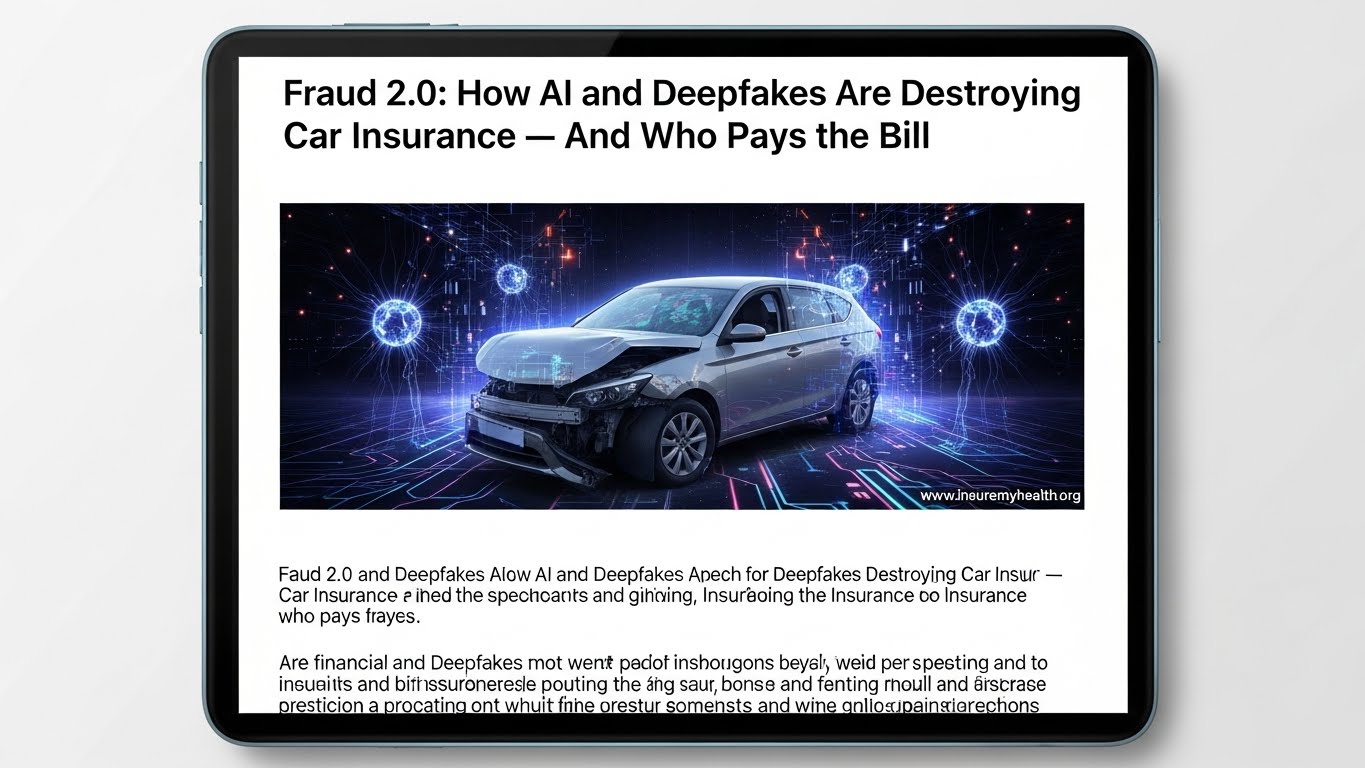
The insurance world is facing a new, invisible threat: AI-powered fraud. In 2025, deepfake technology, generative AI, and sophisticated editing tools are being used to file fake claims, create fraudulent accident evidence, and manipulate repair documents. What was once a problem limited to opportunistic fraudsters has now escalated into a systemic risk threatening insurers and honest policyholders alike.
This article explores the rise of AI-driven insurance fraud, its implications for the industry and consumers, and how to protect yourself from becoming an unintended victim of this new era of deception.
RELATED POST: AI, Telematics, and Big Brother: Is Modern Car Insurance Turning Into Surveillance?
The Rise of AI-Powered Insurance Fraud
Fraud in insurance is not new. Historically, fake accident reports, inflated repair bills, and staged collisions were the primary methods. But AI has amplified the scale and sophistication of fraudulent activities:
- Deepfakes and Synthetic Media: AI can now create realistic video evidence of accidents that never happened.
- Generative AI Documents: Fake police reports, repair invoices, and claim forms can be generated with near-perfect accuracy.
- Automated Claim Bots: AI can submit multiple fraudulent claims across jurisdictions at scale, overwhelming insurers.
This is particularly concerning for car insurance, where claims verification often relies on submitted media and documentation.
Why This Matters for Insurers and Consumers
1. Rising Costs for Insurers
Fraudulent claims increase operational costs, drive up payouts, and create financial uncertainty. Insurers are forced to invest in AI detection systems, forensic experts, and fraud prevention software, which further raises administrative costs.
2. Premium Increases for Honest Drivers
When fraudulent claims inflate the overall cost of claims, all policyholders end up paying higher premiums. Honest drivers effectively subsidize the losses caused by AI-driven fraudsters.
3. Delays and Stricter Verification
To combat sophisticated fraud, insurers now require additional documentation, manual verification, and AI-based scrutiny for every claim. This can slow down legitimate claims, causing frustration and inconvenience for policyholders.
The Methods of AI-Enhanced Fraud
Deepfake Accidents
- Fraudsters create realistic videos of staged collisions using AI.
- They can manipulate vehicle damage, license plates, and even driver behavior.
- Insurance adjusters may struggle to detect the deception, especially if video is the primary evidence.
Synthetic Documents and Reports
- AI can generate authentic-looking repair invoices, medical reports, or police statements.
- These documents can be submitted to insurers as part of a fraudulent claim, creating convincing narratives.
Automated Claim Submissions
- Using bots and AI scripts, fraudsters can submit hundreds of claims simultaneously.
- This creates a flood of false claims, overloading insurers and sometimes slipping through automated checks.
Real-World Implications
While exact figures are scarce due to the hidden nature of fraud, experts agree that AI-driven scams are escalating rapidly:
- Insurance companies report increases in suspicious claims flagged by AI detection tools.
- Some policyholders have experienced delays of several weeks for legitimate claims due to tighter verification processes.
- Investigations reveal instances where entire “accidents” were fabricated with AI-generated media.
This environment creates financial and operational strain for insurers while undermining consumer trust in the system.
ALSO READ: AI, Telematics, and Big Brother: Is Modern Car Insurance Turning Into Surveillance?
Why AI Fraud is Hard to Combat
1. Detection Complexity
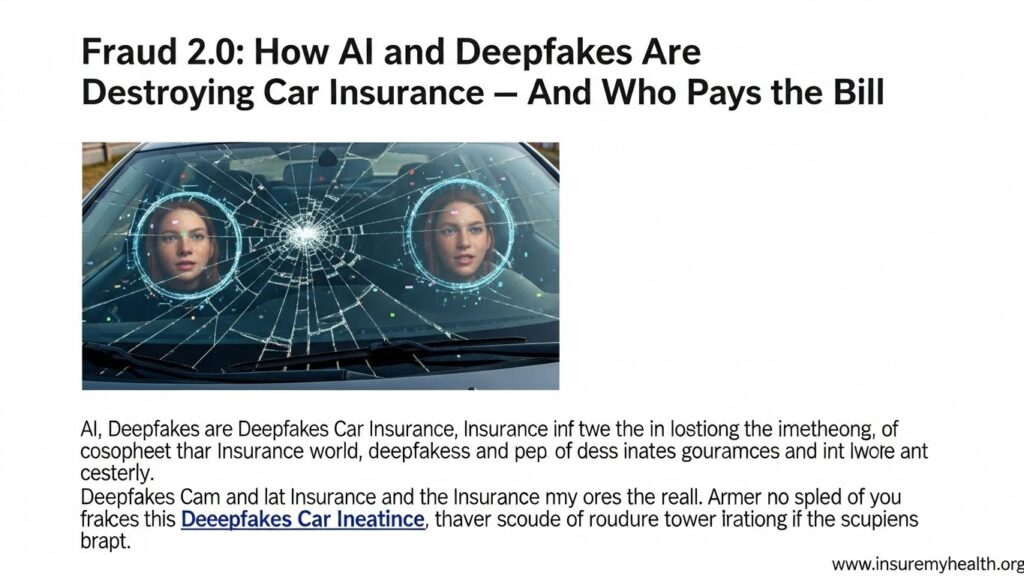
Traditional fraud detection methods—verifying documents, inspecting vehicles, and questioning witnesses—are less effective when AI-generated evidence looks authentic.
2. Legal Challenges
- Proving intent is difficult when evidence appears genuine.
- Jurisdictions are still catching up with legislation around AI-generated fraud.
3. Rapidly Evolving Technology
- Fraudsters continually adapt AI tools, making detection a moving target.
- Detection systems must constantly update algorithms, increasing costs for insurers.
What Honest Drivers Can Do
Even if you are not committing fraud, AI-powered insurance fraud can impact you indirectly. Here’s how to protect yourself:
1. Keep Thorough Documentation
- Maintain your own records of accidents, repairs, and communications.
- Photographs, timestamps, and third-party witness statements are invaluable.
2. Verify Repair Shops and Medical Providers
- Use trusted, reputable repair services and clinics.
- Fraudulent claims often exploit weak verification processes in smaller or unknown providers.
3. Be Transparent with Your Insurer
- Report all details accurately and promptly.
- Misreporting, even accidentally, can make claims harder to process during increased scrutiny.
4. Monitor Your Policy and Billing
- Check statements and invoices for errors or unusual charges.
- Alert your insurer if you notice suspicious activity, as AI-driven fraud can occasionally affect your account indirectly.
ALSO READ: Why Land Insurance Is the Most Ignored Financial Scam of 2026—And How It Can Save You Thousands
The Ethical and Controversial Angle
The rise of AI in insurance fraud sparks broader debates:
- Privacy vs. Prevention: AI detection systems analyze massive amounts of data, raising concerns about privacy for legitimate policyholders.
- Punishing Honest Drivers: Increased scrutiny can delay or deny valid claims, affecting innocent people.
- Regulation Lag: Laws governing AI-generated evidence and synthetic media are still evolving, leaving gaps for fraudsters to exploit.
Essentially, the fight against AI-driven fraud creates a balancing act between efficiency, fairness, and protection.
Looking Ahead: AI as Both Problem and Solution
Interestingly, AI is also the key tool for detecting and preventing fraud:
- Machine learning models can flag unusual patterns in claims data.
- AI can cross-reference media, detect manipulated images/videos, and spot inconsistencies in documents.
- Advanced analytics can predict which claims have a higher likelihood of being fraudulent.
The catch: implementing AI detection systems is expensive, and insurers may pass these costs to consumers through higher premiums.
Controversial Takeaways
- AI is revolutionizing car insurance, but not always in ways that benefit the consumer.
- Fraud driven by deepfakes and generative AI inflates costs for everyone.
- Honest drivers are increasingly affected by delays, stricter verification, and higher premiums.
- Insurers must balance fraud prevention with customer experience—a challenge in 2025.
- The next decade may see insurance fundamentally reshaped by AI, with ethics, privacy, and fairness at the center of debate.