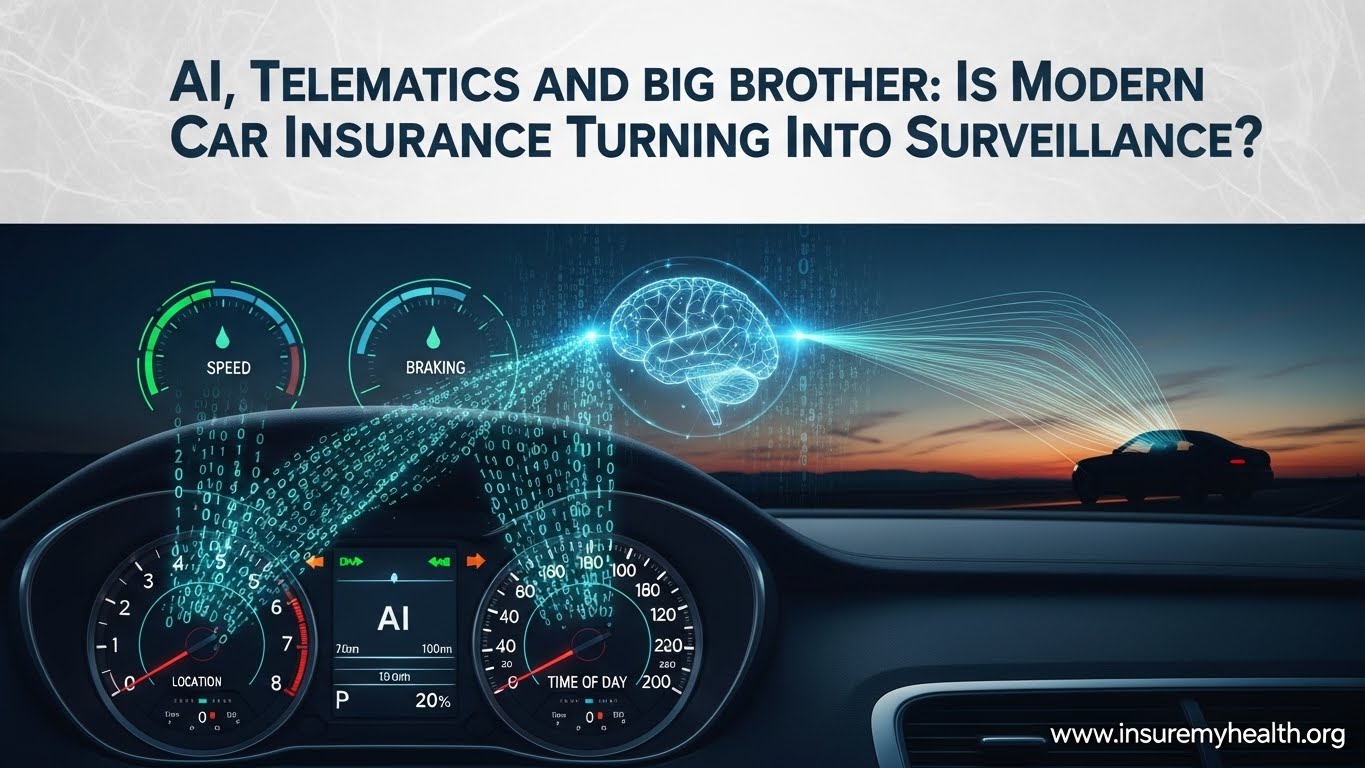
In 2025, car insurance is no longer just about how old your car is or how many accidents you’ve had. It’s about every move you make on the road—your speed, braking patterns, mileage, driving hours, and even the routes you take. Modern insurers are leveraging AI, telematics, and connected devices to assess risk, but this shift comes with a controversial question: are drivers now under constant surveillance?
This article explores the rise of AI-driven car insurance, the benefits and risks, and why some experts believe it may be more intrusive than helpful.
The Rise of AI and Telematics in Car Insurance
Telematics, often called “usage-based insurance” (UBI), uses devices or apps to track driving behavior. Insurers analyze this data using AI algorithms to determine your risk profile and price your insurance premiums accordingly.
How It Works
- Telematics Devices: These are installed in your car or connected via your smartphone.
- Data Collection: Insurers gather information on acceleration, braking, cornering, speed, time of day, and mileage.
- AI Analysis: Algorithms evaluate your driving style against historical data to assign a risk score.
- Premium Adjustments: Safer drivers get lower premiums, while risky drivers may see significant increases.
Proponents say this system rewards good drivers and can help reduce accidents, but critics argue it raises serious privacy and fairness concerns.
RELATED TOPIC: Why Car Insurance Rates Are Skyrocketing in 2025—And What Companies Don’t Want You to Know
Benefits of AI-Powered Car Insurance
1. Personalized Pricing
- Premiums are no longer flat rates. Drivers who exhibit safe habits can save up to 30–40% on insurance.
- Encourages responsible driving, especially for young drivers who often pay higher premiums.
2. Improved Risk Assessment
- Traditional methods rely on demographics and claims history. AI adds real-time behavioral data, allowing more accurate pricing.
- Can help insurers detect patterns that indicate higher risk and intervene early to prevent accidents.
3. Incentives for Safer Driving
- Safe-driving rewards include premium discounts, cashback, or other benefits.
- Parents can monitor teen drivers, reducing risky behavior.
The Dark Side: Surveillance and Privacy Concerns
While the benefits seem appealing, there’s growing controversy over how much data is collected and how it’s used.
1. Constant Monitoring
- Drivers are effectively monitored 24/7 when devices are installed.
- Every turn, stop, and route is tracked, creating a comprehensive record of your movements.
2. Data Security Risks
- Telematics data can be hacked or misused.
- Insurance companies may share data with third parties, including marketing agencies.
3. Algorithmic Discrimination
- AI models may unfairly penalize certain drivers due to bias in data or flawed algorithms.
- For example, city drivers may be charged more because AI perceives higher accident risk in urban areas, even if they drive safely.
4. Reduced Autonomy
- Drivers may feel pressured to follow “safe” behavior strictly to maintain low premiums, reducing flexibility or spontaneity.
- In some cases, small infractions, like hard braking to avoid an accident, can increase your premium.
Real-Life Controversies
Several reports have highlighted concerns with AI-based insurance:
- Families complaining of premium hikes despite safe driving records.
- Young drivers dropping coverage because AI algorithms unfairly labeled them “high-risk.”
- Disputes between drivers and insurers over data accuracy are often difficult to contest.
These controversies are raising questions: is insurance protecting drivers or turning them into products under constant surveillance?
ALSO READ: The Land Insurance Scam? Why Property Owners Are Calling 2025 the Year of Hidden Fees
The Ethical Debate
- Transparency:
- Insurers rarely explain exactly how AI algorithms assign risk scores.
- Customers may not know why their premiums increased or what behaviors triggered higher risk ratings.
- Consent:
- Many drivers are required to opt in to telematics policies to get affordable rates, leaving them little choice.
- Equity:
- AI models may inadvertently discriminate against low-income or urban drivers or those with irregular schedules.
Tips for Drivers Navigating AI Car Insurance
1. Understand the Terms
- Ask insurers exactly what data is collected, how long it’s stored, and who it’s shared with.
2. Monitor Your Driving Score
- Most telematics apps provide real-time feedback.
- Adjust driving habits to improve safety and premiums.
3. Consider Traditional Insurance Options
- If privacy is a concern, weigh whether traditional flat-rate insurance is worth the potentially higher cost.
4. Maintain Records
- Keep logs of your driving habits and any discrepancies with insurer data.
- This can help challenge incorrect scores or disputes.
5. Stay Informed
- AI and telematics are evolving rapidly.
- Policies, regulations, and industry standards may change—staying updated ensures you are not unfairly penalized.
The Future: Will AI Replace Human Judgment?
Some industry insiders predict a future where AI-driven risk assessment dominates, potentially reducing human underwriters’ roles.
- Pros: efficiency, speed, precision, and potential reduction in fraud.
- Cons: lack of human oversight may lead to unfair penalties, opaque scoring, and systemic bias.
The question is, do we trust algorithms to decide what’s fair, or should human judgment remain central?
ALSO READ : Demystifying Common Health Insurance Terms
Controversial Takeaways
- AI car insurance rewards safe driving, but at the cost of privacy and autonomy.
- Many drivers may pay for insurance that monitors every movement, creating legal and ethical dilemmas.
- Lack of transparency in AI scoring systems can lead to unfair premiums, with limited recourse.
- As AI becomes standard, drivers must educate themselves and make informed decisions about the trade-off between cost savings and privacy.
The debate is just beginning—in 2025, the line between protection and surveillance is thinner than ever.