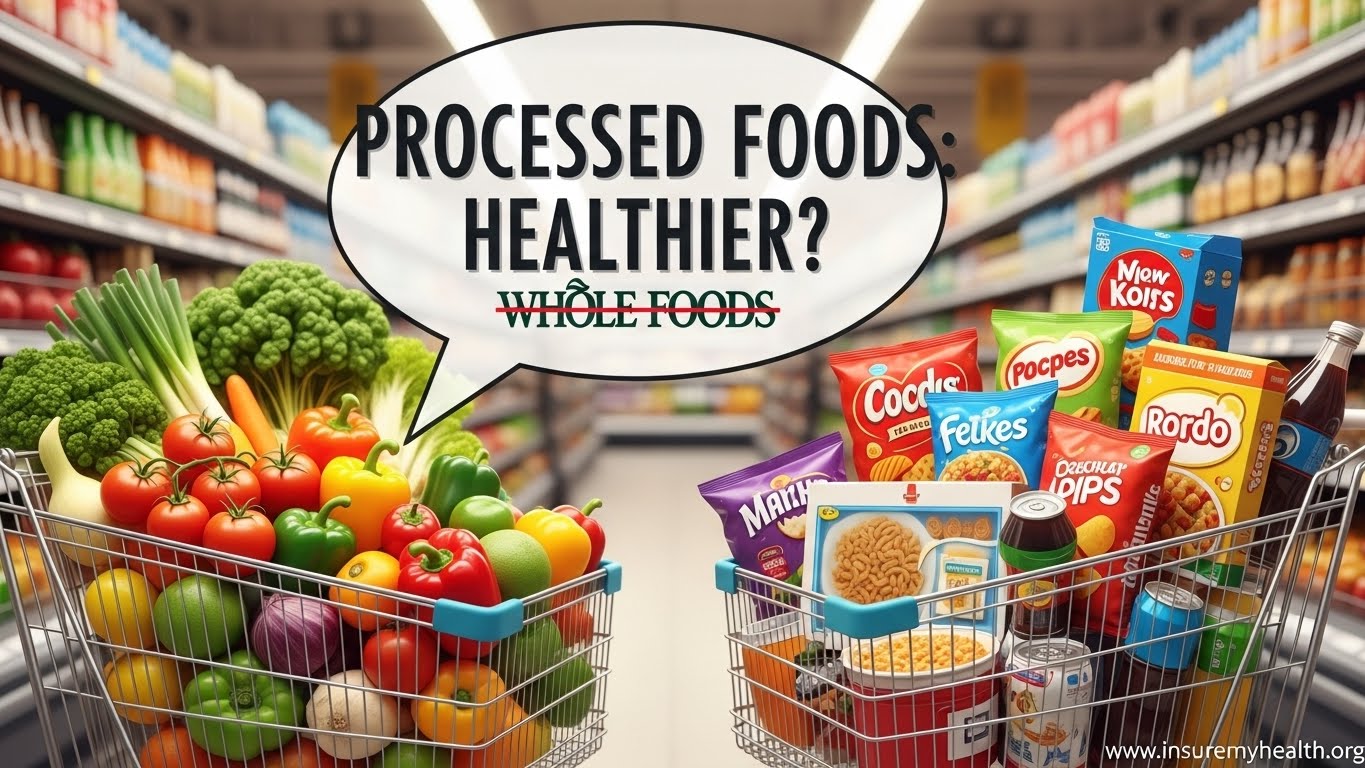
For decades, influencers, dietitians, and mainstream health media have declared processed foods the enemy—blamed for obesity, diabetes, heart disease, and more. Labels like “ultra-processed foods” are used almost interchangeably with “junk food” to scare consumers. Yet this narrative oversimplifies reality—and in some cases, whole foods proponents are missing critical nuance.
In this article, we’ll flip the script and explore why processed foods might be healthier, safer, and more beneficial for many people than rigid whole food dogma suggests—and why demonizing them outright could be misleading.
1. What Are Processed Foods Really?
Before declaring processed foods evil, let’s define them:
- Minimally processed: Washed, trimmed, packaged vegetables; pasteurized milk.
- Moderately processed: Frozen fruits, canned beans, whole-grain breads.
- Ultra-processed: Snacks, sugary drinks, reconstituted meals.
The context matters—not all processed foods are equally bad. Theseolabs
2. The Case for Processed Foods: Safety & Accessibility
A. Food Safety
Many processed foods are safer than raw alternatives:
- Pasteurization kills harmful bacteria
- Canning prevents spoilage
- Fortification adds essential nutrients
For people in food deserts or low-income areas, processed foods can be lifesaving sources of calories and nutrients.
B. Accessibility & Affordability
Whole foods like fresh produce can be costly and perishable. Processed foods:
- Stay edible longer
- Cost less per calorie
- Are available everywhere
This matters for global food security and populations with limited access to fresh foods.
RELATED POST: High-Protein Foods Are Making You Sick: The Toxic Truth Big Nutritionists Won’t Admit
3. Nutrient Fortification: When Processing Is Good
Many processed foods are fortified with iron, B vitamins, vitamin D, calcium, and more—often helping prevent deficiencies in vulnerable groups like children and pregnant women. Whole foods alone may not deliver these consistently without careful planning.
4. The “Ultra-Processed” Myth & Controversy
The term “ultra-processed foods” has become a scapegoat for chronic illness. Recent research demonstrates:
- Associations exist between ultra-processed consumption and health issues—but correlation doesn’t prove causation.
- Some processed foods (like fortified cereals) can fit into a balanced diet.
- The dangers of processed foods often stem from poor overall diet patterns, not processing itself.
Experts argue the category is too broad and inconsistent, and demonizing it may oversimplify nutrition science. TIME
5. Challenging Whole Foods Dogma
The whole foods movement promotes minimally processed fruits, vegetables, nuts, and whole grains—undeniably beneficial. But:
- Whole foods alone don’t guarantee nutrient balance
- Some people struggle to digest fibrous diets
- Cultural diets around the world include processed staples with nutritional adequacy
Rigid adherence to unprocessed diets can be unrealistic and stressful for many.
6. When Processed Foods Can Be Advantageous
A. Convenience for Modern Life
Busy schedules and limited food preparation time make some processed options practical.
Examples:
- Frozen vegetables with no preservatives
- Canned beans for quick protein & fiber
- Whole grain breads for sandwiches
These foods support consistent eating habits, which can be healthier than skipping meals.
B. Weight Management
Protein-fortified, high-fiber processed foods can help manage hunger better than some “clean” whole foods.
7. Labeling and Marketing: The Real Enemy
Often the issue isn’t processing—it’s misleading marketing:
- “Natural” labels with little regulation
- “Healthy” snacks loaded with sugar and additives
- Confusing graphics that obscure true nutrition
This creates a health halo effect, where foods appear healthier than they are. True nutrition literacy matters—not simple processed vs. whole labels.
also read: The Hidden Dangers of Popular ‘Immune Boosters’ in 2026
8. Empowering Consumers With Nuance
The balanced perspective:
- Evaluate foods on nutrient density, not processing level alone
- Choose fortified and safe processed foods when they meet nutritional needs
- Avoid demonizing categories and adopt a flexible, sustainable diet
Conclusion
Processed foods are often vilified, but the truth is far more complex. Many processed options—especially fortified, whole grain, or minimally altered items—play valuable roles in nutrition, access, safety, and lifestyle sustainability. Rather than rigidly choosing processed vs. whole, we should prioritize balanced, evidence-based nutrition tailored to individual needs.
Real health comes from informed choices—not fearmongering.