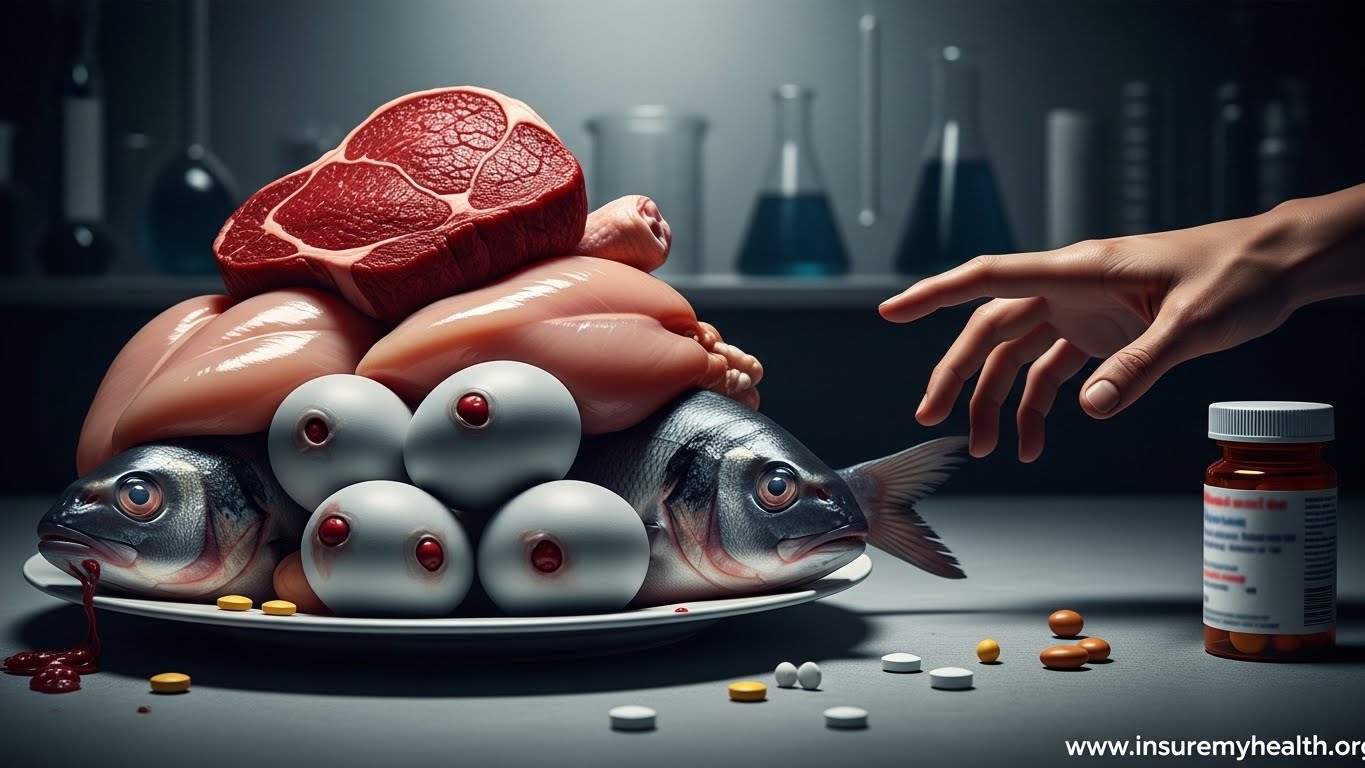
High-protein foods are everywhere—touted by fitness gurus, diet influencers, and health magazines as an essential cornerstone of “healthy” eating. From muscle-building shakes to meat-heavy plates and plant-based protein alternatives, the message is loud and clear: eat more protein for better health. Yet beneath the hype lies an uncomfortable truth—protein obsession might be causing more harm than good.
In this article we’ll explore the science (and controversy) behind high-protein diets, challenge common assumptions, and uncover why too much protein could be detrimental to your health—especially if consumed without balance.
1. The High Protein Hype: Where It Started
For decades, bodybuilders and athletes have championed protein as the ultimate nutrient for muscle growth and weight management. As a result:
- Protein supplements, bars, and shakes flood the market.
- “High protein meals” are marketed as healthier choices on menus.
- Many diet plans prioritize protein over carbs and fats.
While protein is essential—it builds muscle, supports immune function, and helps regulate hormones—more is not always better.
RELATED POST: The Processed Food Conspiracy Fueling Diabetes—And Why Your Doctor Won’t Warn You
2. What the Research Actually Says: Benefits vs. Risks
Benefits of High-Protein Foods
Protein plays key roles:
- Muscle repair & growth
- Satiety & appetite control
- Blood sugar stabilization
- Immune & enzyme support
For many people—especially older adults and athletes—higher protein intake is beneficial when balanced with carbs and fats.
Emerging Risks: When Protein Goes Too Far
But recent science suggests overshooting protein needs has consequences:
a) Kidney Stress?
While healthy kidneys can handle protein, there’s debate about the long-term effects of chronic high protein intake—especially from animal sources. Some research links very high protein to increased kidney workload and potential progression in people with undiagnosed kidney issues.
b) Gut Microbiome Imbalance
High-protein diets—particularly those heavy in animal protein—can shift gut bacteria toward more proteolytic microbes. These may produce harmful metabolites linked to inflammation and colon health concerns.
c) Bone Health Controversy
Older theories claimed high protein increases calcium loss, but newer evidence is mixed—suggesting the type of protein and accompanying diet matter.
The takeaway:
Protein isn’t inherently bad—but excessive protein at the expense of fiber-rich plant foods may be risky.
3. Are All High-Protein Foods Created Equal?
Let’s separate healthy vs. questionable sources:
Good High-Protein Foods
- Organic lean meats (grass-fed where possible)
- Eggs
- Legumes (beans, lentils, chickpeas)
- Nuts & seeds
- Greek yogurt & cottage cheese
- Tofu & tempeh
These come with vitamins, minerals, and other nutrients often missing in processed protein sources.
Red Flags & Risky Protein Sources
- Processed meats (bacon, sausages, deli cuts)
- Highly processed protein bars with additives
- Artificial protein drinks loaded with sweeteners
- “Fortified” so-called protein snacks with minimal real nutrients
These align with processed foods, which carry health concerns (see Article #2). Theseolabs
4. The Keto and Paleo Protein Paradox
Low-carb, high-protein diets like keto and paleo are hugely popular. But:
- Keto often increases animal protein significantly.
- Paleo excludes grains but may push heavy meat intake.
Critics argue these patterns ignore long-term risks like cholesterol imbalance and reduced gut diversity—especially when carbs from fruits and vegetables are dramatically reduced.
ALSO READ: 10 Natural Ways to Boost Your Immune System for Better Health
5. What Nutritionists Still Can’t Agree On
There’s genuine debate within nutrition science. For instance:
- How much protein is optimal?
- Should athletes aim for double the RDA?
- Are plant proteins as complete as animal ones?
- Does protein cause aging or promote longevity?
This tells us one thing: there’s no one-size-fits-all answer, and blanket high-protein recommendations should be questioned.
6. Case Studies: When High Protein Hurts
Case A—The Overtrained Gym Warrior
John, age 35, ate double the recommended protein for muscle gains for several years. Result?
- Digestive issues
- Increased inflammation markers
- Sluggish gut health
Only after reducing animal protein and increasing fiber from plants did symptoms improve.
Case B—The Health-Conscientious Female
Sara replaced meals with “high-protein shakes.” Short-term weight loss occurred, but:
- Cravings spiked
- Energy levels fluctuated
- Her microbiome diversity dropped (via test)
Conclusion: real foods beat isolated protein extracts.
7. Balanced Protein Strategy for Real Health
Instead of chasing “the most protein possible,” follow these principles:
- Balance protein with fiber-rich plants
- Favor whole foods over processed high-protein snacks
- Don’t exceed recommended ranges without medical supervision
- Choose a mix of plant and lean animal sources
Conclusion
High-protein foods are essential—but the unfiltered obsession around them glosses over real health risks. Excessive consumption, especially from processed or animal sources without enough plant diversity, may compromise kidney health, gut balance, and long-term well-being.
The healthiest approach? Balance, variety, and context matter more than sheer numbers.
Want a personalized nutrition strategy? Consult a qualified dietitian before dramatically shifting your protein intake.